Mulesing muss nicht seinNo Mulesing, Please
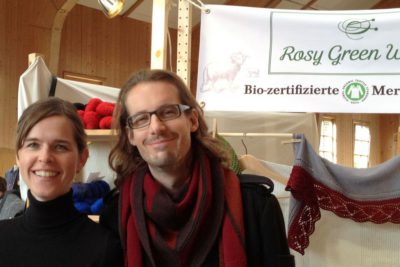
Patrick Gruban, Mit-Gründer und Mit-Inhaber von Rosy Green Wool, über Mulesing bei Merinoschafen und was Handstrickerinnen dagegen tun können
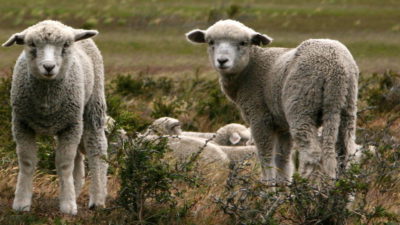
Merinolämmer
Martina Behm: Gerade gab es einen Artikel in DER SPIEGEL und eine ZDF-Reportage über Mulesing bei australischen Merino-Schafen: Dabei wird den Lämmern die Haut um den After herum ohne Betäubung abgeschnitten – eine Praktik, die Tierschützer schon lange kritisieren. Sind denn tatsächlich nur Merinos in Australien betroffen?
Patrick Gruban: Ja, denn die Merinoschafe sind dort extra so gezüchtet, dass sie möglichst viel Wolle produzieren: Sie haben sehr viel Hautfläche und sind darum sehr faltig. In den Falten können sich dann Fliegen niederlassen und Eier ablegen, aus denen Maden entstehen, besonders im Afterbereich. Andere Schafsrassen sind nicht betroffen.
Warum ist das nur in Australien ein Problem?
Die schädliche Fliegenart gibt es nur in Australien – in Südafrika und Südamerika kommt sie dagegen gar nicht vor. In Neuseeland gibt es Merino-Züchtungen mit weniger Hautfalten, und die werden nicht so stark befallen. Dort wurde das Mulesing letztes Jahr verboten, darauf hat man dort jahrelang mit Züchtungen und alternativen Methoden zur Schädlingsbekämpfung hingearbeitet. Wer in Neuseeland Mulesing durchführt, muss mit hohen Geldstrafen rechnen.

Wie kann man ohne Mulesing verhindern, dass Parasiten die Schafe befallen?
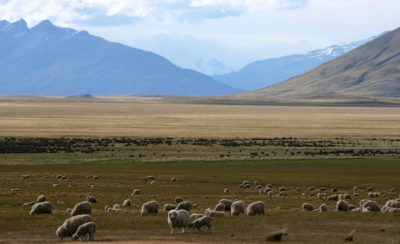
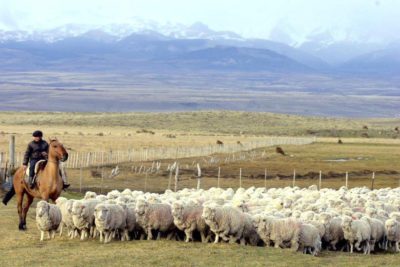
Wenn der Züchter immer nah an der Herde ist, die Tiere im Blick hat und sie kontrolliert, dann fällt ihm auf, wenn etwas nicht stimmt und er kann sie behandeln. In Australien sind die Herden sehr groß, laufen frei herum und werden nur per Helikopter beobachtet, und der Farmer sieht sie nur zweimal im Jahr zur Schur. Statt die Haut am Hintern der Tiere operativ zu entfernen, könnte man sie auch mehrmals im Jahr dort scheren, damit die Stelle sauber bleibt und weniger Fliegen anzieht – aber das wäre für australische Farmer aufwändiger und teurer als Mulesing, darum machen es nur wenige.
Aber Mulesing kann ja auch nicht verhindern, dass sich in den Falten am übrigen Körper Maden festsetzen…
Nein, das nicht. Aber dort, wo viel Wolle wächst, kommen die Fliegen nicht so leicht an die Haut heran. Darum ist es an den anderen Körperstellen nicht so ein großes Problem.
Wäre es ein Fortschritt, wenn die Schafe bei der Operation betäubt werden?
Es ist unklar, wie viel das bringt – während des Abheilungsprozesses, der mehrere Wochen dauert, wirkt die Betäubung ja nicht mehr. Aber es wäre natürlich ein Schritt in die richtige Richtung, zumal das Thema seit Jahren bekannt ist. Immer noch werden 70% aller Mulesing-Operationen ohne Betäubung durchgeführt – ein Skandal, den man nur mit der Profitgier der Farmer erklären kann. Der Preis für Merinowolle ist in den vergangenen Jahren um 50% gestiegen, da würde man auch noch genug daran verdienen, wenn man ein paar Cent für die Betäubung ausgibt.
Am einfachsten wäre ja, wenn die Australier ein Gesetz hätten, das das Mulesing verbietet…
Sicher, zumal man sich in Australien des Problems schon seit 15 Jahren bewusst ist. 2004 hatten sie beschlossen, das Mulesing bis 2010 komplett abzuschaffen, aber daraus ist nichts geworden. Es ist immer schwer, beim Thema Tierschutz etwas zu ändern – das sieht man in Deutschland, zum Beispiel beim Thema Ferkelkastration ohne Betäubung. Da dauert es auch wahnsinnig lange, bis neue Gesetze verabschiedet werden.
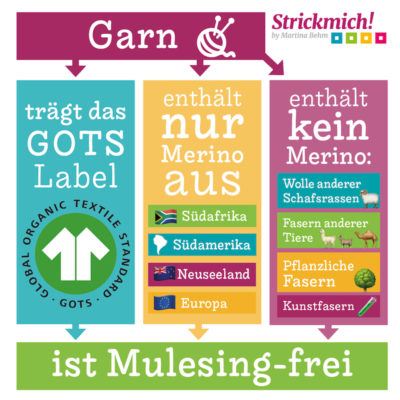
Wenn ich sichergehen möchte, dass mein Merinogarn ohne Mulesing produziert wurde, kann ich also zum Beispiel darauf achten, dass es aus Südafrika, Südamerika oder Neuseeland kommt…
Genau, aber das ist oft schwierig, weil die wenigsten Anbieter Angaben über die Herkunft des Garns oder die Schafsrasse machen können. Manche schreiben einfach „Wolle“ aufs Etikett und verschweigen, dass es sich um Merinowolle handelt, die von Mulesing betroffen sein könnte. Bei anderen ist die Lieferkette so lang und undurchsichtig, dass man gar nicht mehr sicher sagen kann, woher die Fasern kommen: Der Garnproduzent kauft bei der Spinnerei, die kauft beim Zwischenhändler, der vom Lieferanten und so weiter. Bei Handfärberinnen, die ihr Garn von Großhändlern beziehen, kommt noch ein Schritt dazwischen. Oft läuft das Ganze nur über Vertrauen: Der Hersteller oder Handfärber sagt, das Garn sei Mulesing-frei, kann es aber nicht nachweisen. Und da 90% der weltweiten Produktion von Merinofasern aus Australien kommt, braucht man schon einen besonderen Nachweis für die zusätzliche Sicherheit, dass sie eben nicht in einem Garn stecken. Darum haben wir schon ganz am Anfang gesagt: Wir brauchen für unser Garn ein Zertifikat, einen Beweis, dass es wirklich tierfreundlich produziert wird. Mit dem GOTS-Label –Global Organic Textile Standard – haben wir das. Und wir haben uns auch früh dafür entschieden, unsere Garne auch Handfärberinnen anzubieten.
Warum gehen so wenige Garnhersteller offensiv mit dem Thema Mulesing um? Es gibt ja einige, die nur Merinofasern aus Südamerika oder Südafrika verwenden…
Wer sich zu Mulesing-freier Wolle bekennt, legt sich fest und ist dann unflexibel, wenn Lieferengpässe bei auftreten. Weil wir nicht auf andere Quellen ausweichen können, sind wir gezwungen, langfristige Verträge mit den Lieferanten zu machen und schon zuzusagen, welche Mengen wir in den kommenden Jahren abnehmen werden. Das ist ein Risiko. Bei uns kommt noch hinzu, dass wir als einzige Garnmarke der Welt nur GOTS-zertifizierte Garne anbieten – damit schränken wir uns stark ein, weil wir zum Beispiel Fasern wie Kaschmir oder Seide nur schwer oder gar nicht in dieser Qualität bekommen.
Sind Handstrickerinnen sensibler für das Thema Mulesing als Leute, die ihre Mode fertig kaufen?
Ja, insbesondere die, die sich für hochwertige Garne interessieren. Meine Schätzungen ergeben aber, dass immer noch mindestens 99,5% der in Deutschland verkauften Handstrickgarne nicht GOTS-zertifiziert sind. Klar gibt es auch Hersteller, die zwar kein Zertifikat haben, aber durch eine kurze Lieferkette oder weil sie die Herkunftsfarmen kennen, Mulesing-freies Merinogarn anbieten und damit im grünen Bereich sind – aber letztendlich fehlt doch die Transparenz.
Wie hat sich die Einstellung von Strickerinnen geändert, seit ihr 2012 mit Rosy Green Wool gestartet seid?
Das Thema Mulesing kommt etwa alle fünf Jahre wieder hoch, aber es wird immer noch zu wenig darüber gesprochen. Wir hören ganz oft, dass Leute erst durch unsere Garne überhaupt vom Mulesing erfahren haben und sich dann vornehmen, beim Einkauf mehr darauf zu achten, dass das Garn zertifiziert ist – das ist für uns natürlich das schönste Kompliment!
GOTS
Global Organic Textile Standard – das strengste Label für ökologisch und sozial einwandfrei hergestellte Textilien. Bei Garnen und Kleidung mit dem GOTS-Label kann man sicher sein, dass…
• die Tiere kontrolliert biologisch gehalten werden, kein Mulesing und keine Pestizide verwendet werden
• faire Arbeitsbedingungen herrschen und keine Kinderarbeit stattfindet
• keine umwelt- und gesundheitsschädlichen Chemikalien verwendet werden
• Abwässer fachgerecht entsorgt und der Energieverbrauch kontrolliert wird
• kein chemischer Mottenschutz zum Einsatz kommt.
Mehr Info auf www.global-standard.org
Rosy Green Wool
Wurde 2012 von Rosmary Stegmann und Patrick Gruban in München gegründet und brachte das erste GOTS-zertifizierte maschinenwaschbare Merinogarn auf den deutschen Markt. Rosy Green Wool ist der weltweit einzige Hersteller, der nur GOTS-zertifizierte Handstrickgarne anbietet.
Diese Garne im Strickmich! Shop sind Mulesing-frei:
Blacker Yarns (Merinofasern von den Falkland-Inseln plus Shetlandwolle)
Schoppel (Merino aus Patagonien)
Something to Knit With (Hochlandwolle aus Peru + Alpaka)
Rosy Green Wool (GOTS-zertifizierte Garne mit Merinofasern aus Argentinien)
Amano (Alpakagarne)
Cowgirlblues (Merinofasern aus Südafrika)
Fino von Manos del Uruguay (Merinofasern aus Südamerika)
Yummy 2ply und Yowza von Miss Babs (Merinofasern aus Südafrika)
Yakusi (Yak-Fasern mit Seide)
Fotos © Rosy Green Wool
Patrick Gruban, co-founder and co-owner of German organic yarn pioneer Rosy Green Wool talks about mulesing of Merino sheep, and what knitters can do about this
Merino lambs
Strickmich!: In Germany, reports about mulesing in Australian Merino sheep are in the news right now: The sheep’s skin around the buttocks is cut off without any painkillers. The practice has been widely criticized for a long time. Are only Merino sheep in Australia affected?
Patrick Gruban: Yes, Merino sheep are bred specifically to yield the maximum amount of fiber, so they have lots of skin and many skin folds. Into those folds, flies can place their eggs and maggots emerge, especially in the buttock area – this is called “flystrike”. Mulesing is not used in other sheep breeds.
Why is it only common in Australia?
The fly species that harms sheep only exists in Australia and New Zealand. Sheep in South Africa and South America won’t be affected. In New Zealand, farmers have made an effort to breed Merino sheep with fewer skin folds, so the problem of flystrike is not as pronounced there. New Zealand has also developed other methods to combat the flies, and last year they passed a law that prohibits mulesing entirely and sanctions it with heavy fines.
What are alternative methods to prevent flystrike?
If the farmer monitors his flock closely and checks on his sheep regularly, he will notice if anything is wrong and can take action. In Australia, flocks tend to be very large, they roam freely, and are often only monitored by helicopter. The farmer usually sees his sheep twice a year for shearing. Instead of cutting off the sheep’s skin, one could simply shear the area around the buttocks several times a year, so it would stay cleaner and attract fewer flies – but that would be a lot of work, and very expensive for Australian farmers, so only very few do it.
Patrick Gruban
Mulesing also won’t prevent the flies from laying their eggs on other parts of the sheep’s body…
No, but if there is a lot of wool growing on the skin, flies won’t find it so easy to reach the skin to lay their eggs. So it’s not such a big problem in other areas.
Would you consider if progress if anesthetics were used during the mulesing surgery?
It’s not clear how much that would help – the sheep would certainly feel pain until the wounds are healed, which can take several weeks. But it would certainly be a step in the right direction, especially as the problem has been known for years. 70% of all mulesing still happens without painkillers – in my view, that’s outrageous, and can only be explained by farmers’ focus on profits and their greediness. The price for Merino fiber has gone up by 50% during the past years, so they would still earn enough if they were to spend a small amount on anesthetics.
The Australian government could simply pass a law that forbids mulesing…
Sure, especially as Australian sheep farmers have been aware of the problem for more than 15 years. In 2004, there was an initiative to get rid of mulesing until 2010, but that date has passed and nothing has happened. It is always hard to change things when it comes to animal welfare – we see that now in Germany, where the government is trying to pass a law against neutering pigs without painkillers. It takes forever to reach a consensus.
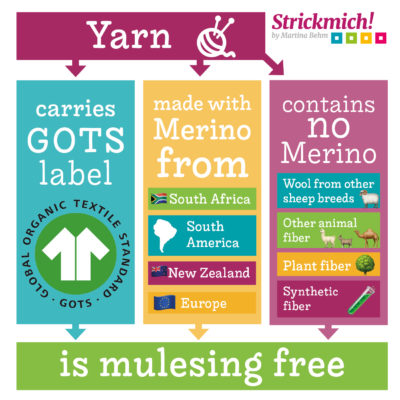
So, if I wanted to buy Merino yarn that was made without mulesing, I could just make sure that the fiber comes from South America, South Africa or New Zealand?
Yes, but that can be difficult, as very few brands can give detailed information about the origins of the fiber or even the sheep breed they used. Some just put “wool” on their label and won’t tell you it is Merino that could be affected by mulesing. Sometimes the supply chain is so long and obscure that it is impossible to tell where the fiber came from: The yarn brand buys from the spinning mill, the spinning mill from a fiber wholesaler, the wholesaler from the producer and so forth. With hand dyers who buy their yarn from a yarn wholesaler, there is an additional step involved. The whole chain relies on trust: The yarn brand or dyer says the yarn is mulesing-free, but cannot really prove it. However, 90% of all Merino fiber worldwide is from Australia, so you need additional proof that they are not part of the yarn you are buying. That’s why we decided right from the beginning that we needed the GOTS certificate – Global Organic Textile Standard. We are also aware how hard it is for hand dyers to find certified yarn bases, so we decided to offer our yarn to them, too.
Why are yarn brands so shy about the topic? There are several around that have been using only Merino fiber from South America or South Africa for years…
If you make a statement like “our yarn is mulesing-free” you kind of lock yourself in, and become less flexible in case of a shortage. At Rosy Green Wool, we cannot use other sources for our Merino fiber and have to make long-term contracts with the suppliers from South America, stating how much we will buy in the upcoming years. That’s quite a risk. For us, it’s even harder as we are the only yarn brand in the world that offers only GOTS-certified yarns, so we cannot use cashmere or silk in our yarns as they are very hard to come by in that quality.
Are hand knitters more aware of mulesing than consumers who buy ready-made clothes?
Yes, especially those who are interested in high-quality hand knitting yarns. But according to my estimates, more than 99.5% of all knitting yarns sold in Germany are still not GOTS-certified. A couple of yarn brands might be in the clear without a certificate because they have a short supply chain, or personally know the farmers providing their wool, and offer mulesing-free Merino – but in the end, they lack the transparency that only a label can provide.
Has the attitude of handknitters towards animal welfare changed since you started out with Rosy Green Wool in 2012?
Mulesing as a discussion point comes up roughly every five years, but I think that’s not enough. We often hear from people who say they became aware of the problem through our yarn, and that they decided to pay more attention to whether a yarn is certified or not in the future – that’s a huge compliment for us!
GOTS
The Global Organic Textile Standard is the strictest label for textiles produced environmentally friendly, socially conscious and animal friendly. If you buy clothes or yarn carrying the GOTS label, you can be sure that…
• the animals were raised according to high welfare standards, no mulesing took place, and no pesticides were used
• that fair working conditions apply, and no child work was involved
• no chemicals that might harm the environment or human health were used
• waste water is professionally treated, energy use is controlled
• no chemical moth-repellants were used.
More on www.global-standard.org
Rosy Green Wool
Was started in 2012 by Rosmary Stegmann and Patrick Gruban in Munich, and launched Germany’s first GOTS-certified machine-washable Merino yarn for hand knitters. Rosy Green Wool is the only yarn brand in the world that offers only GOTS-certified yarns.
These Yarns in Strickmich! Shop are mulesing-free:
Blacker Yarns (Merino from the Falkland Islands plus Shetland wool)
Schoppel (Merino fiber from Patagonia)
Something to Knit With (Highland Wool from Peru + Alpaca)
Rosy Green Wool (GOTS-certified yarns with Merino fiber from Argentina)
Amano (Alpaca yarns)
Cowgirlblues (Merino fiber from South Africa plus Mohair)
Fino by Manos del Uruguay (Merino fiber from South America)
Yummy 2ply and Yowza by Miss Babs (Merino fiber from South Africa)
Yakusi (Yak Fiber plus Silk )
Fotos © Rosy Green Wool